
Sea freight for plywood is bought per container, so its cost per cubic metre and per sheet depends on what the box holds: about 47 m³ of Acacia-core or 43 m³ of Eucalyptus-core panels in a 40HC. PK Ply loads at Hai Phong under FOB, CFR or CIF. Divide a freight quote by the wrong volume and every sheet price after it is wrong.
What is the plywood shipping cost from Vietnam per container?
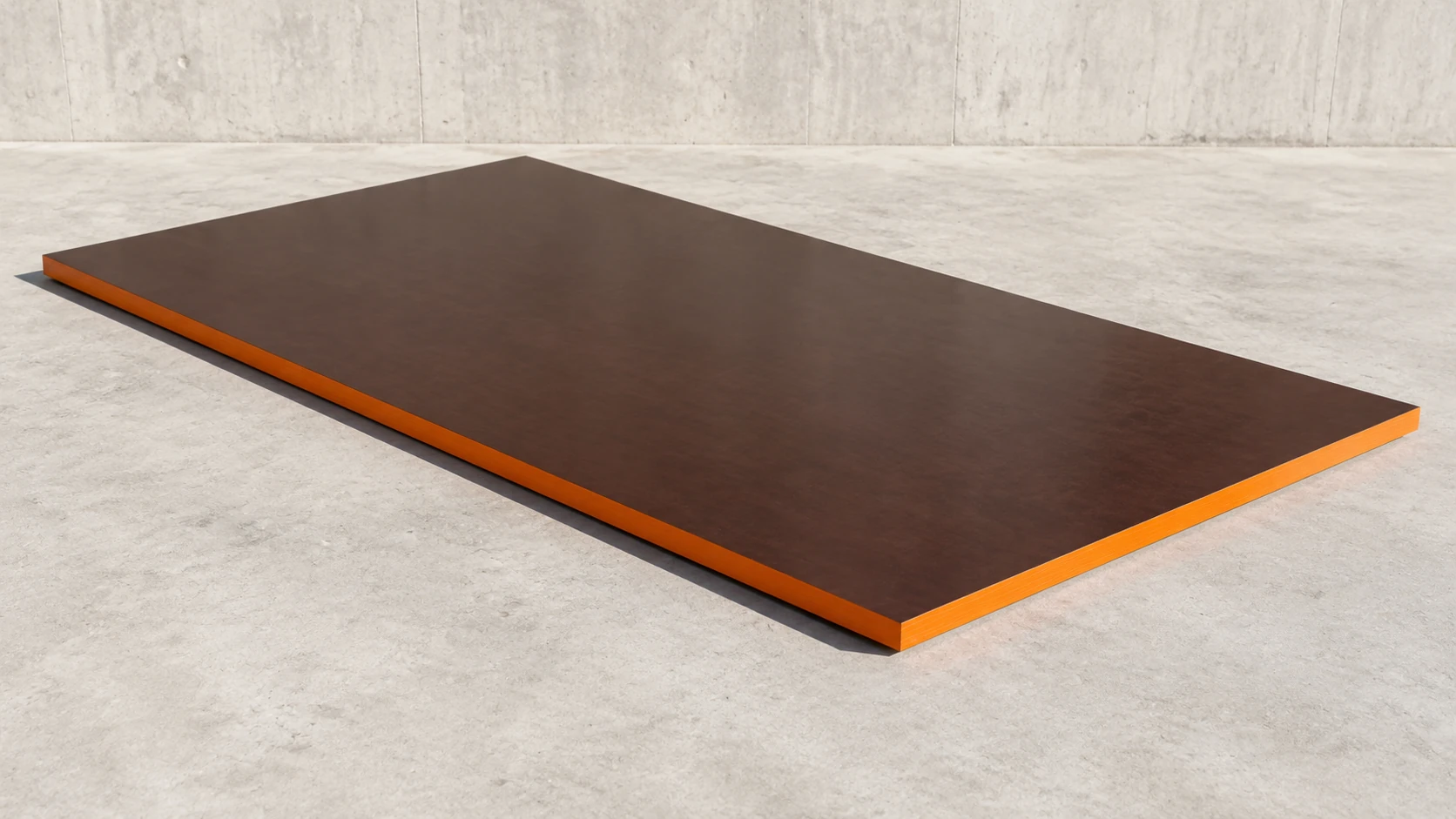
Shipping plywood from Vietnam costs the carrier’s container rate for your lane and week plus surcharges, divided over what the box holds. A 40HC carries about 47 m³ of Acacia-core or 43 m³ of Eucalyptus-core film-faced panels from Hai Phong, so the same container rate costs about 11% more per cubic metre of Eucalyptus.
No mill can give you a fixed freight figure, because the rate is set by the shipping line on the day of booking. What we can give is the volume the rate is spread over, and the arithmetic. The figures below take one public index on one date and run it through our planning loads. They show the method and the size of the numbers, not a quote for your port.
Drewry’s World Container Index assessment for 12 November 2026 put Shanghai to Rotterdam at $3,504 per 40ft container and Shanghai to Genoa at $4,168 per 40ft container. The same assessment gave Shanghai to Los Angeles at $7,416 and Shanghai to New York at $9,020. Hai Phong is not one of the index ports, so read these as the market level on each trade that week.
| Index lane, 40ft, 12 November 2026 | Index rate per box | Per m³, Acacia core, 47.2 m³ (planning figure) | Per m³, Eucalyptus core, 42.6 m³ (planning figure) | Per 18 mm sheet, Acacia / Eucalyptus |
|---|---|---|---|---|
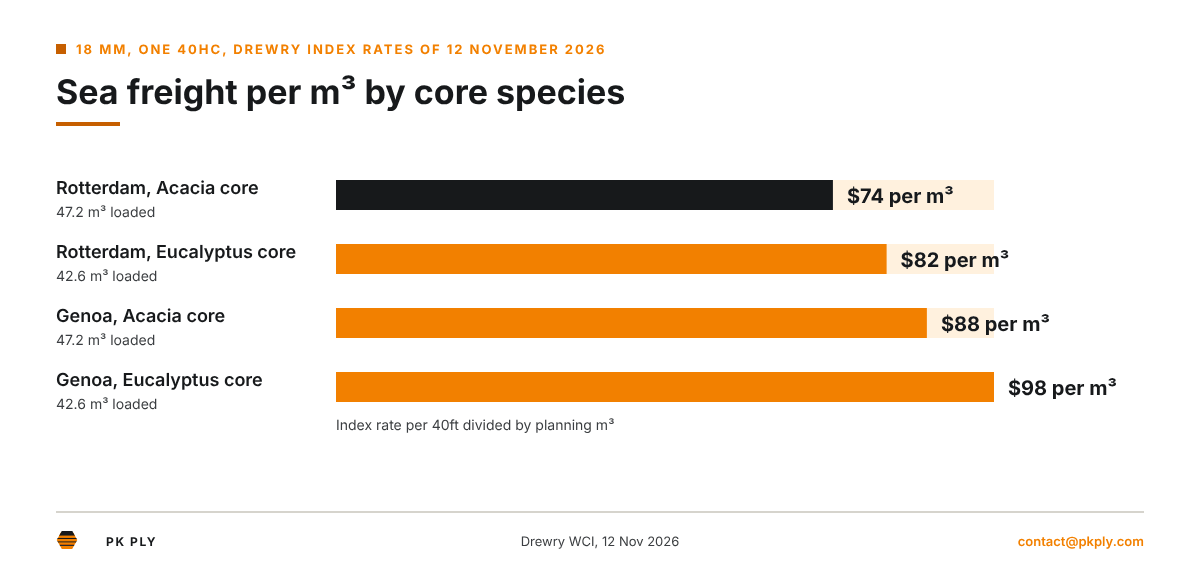
| Shanghai to Rotterdam | $3,504 | About $74 | About $82 | About $3.98 / $4.41 |
| Shanghai to Genoa | $4,168 | About $88 | About $98 | About $4.74 / $5.24 |
| Shanghai to Los Angeles | $7,416 | About $157 | About $174 | About $8.43 / $9.33 |
| Shanghai to New York | $9,020 | About $191 | About $212 | About $10.25 / $11.35 |
The per-sheet column uses 880 Acacia-core or 795 Eucalyptus-core sheets of 18 mm, 1220 × 2440 mm, our planning figures for one 40HC. Index rate checked 12 November 2026. The index covers the ocean rate on its own terms; a quote you receive also lists the surcharges and port charges described further down, so compare like with like.
Freight per cubic metre starts with what we load
Freight per cubic metre is the all-in container cost divided by the cubic metres on the packing list. The rate is fixed per box; the cubic metres are what we control at loading, and they depend on core species, thickness and sheet size before anything else.
Our planning model for a 40HC is a fixed set of packs. Each pack stands about 1,000 mm high for 1220 × 2440 mm sheets. The box takes 16 packs of Acacia-core panels or 15 packs of Eucalyptus-core panels. The cargo is capped at a planning payload of 28,000 kg, container tare excluded. Sheets per pack are 1,000 mm divided by the thickness, rounded down, and then capped by weight.
That gives three ways the freight per cubic metre can move on a real order:
- Core species. Eucalyptus at 650 kg/m³ reaches the weight cap sooner than Acacia at 580 kg/m³, so it loads fewer cubic metres.
- Sheet size. A 1250 × 2500 mm sheet uses the box floor differently; 18 mm Acacia loads about 47.7 m³ in that size against 47.2 m³ in 1220 × 2440 mm.
- Packing. Pallet bearers, corner boards and strapping take height and weight; the payload the carrier accepts for your route sets the real limit.
The full load table, pack by pack, is on our page on how we load a 40HC. The pallet and container loading calculator runs your own size and thickness. This note uses only the figures needed to turn a freight rate into cost per cubic metre and per sheet.
How many 18 mm sheets go in a 40HC?
About 880 sheets of 18 mm, 1220 × 2440 mm film-faced plywood go in a 40HC with an Acacia core, as 16 packs of 55 sheets and about 47.2 m³. With a Eucalyptus core the planning figure is 795 sheets, 15 packs of 53, about 42.6 m³, because the denser core reaches the payload first.
Those 85 extra Acacia sheets are where the freight difference comes from. Every sheet in the box shares the same rate, so 880 sheets split it more ways than 795. At the Rotterdam index rate of $3,504, the freight on one 18 mm sheet is about $3.98 with an Acacia core and about $4.41 with a Eucalyptus core.
In the larger 1250 × 2500 mm format the counts are 848 sheets (16 × 53 sheets) with Acacia and 750 sheets (15 × 50 sheets) with Eucalyptus. Each is a planning figure from our packing model, not a count from a specific packing list, and real sheets are weighed before final loading.
Why does a Eucalyptus-core container reach the weight limit first?
A Eucalyptus-core container reaches the weight limit first because Eucalyptus veneer is denser: about 650 kg/m³ against 580 kg/m³ for Acacia in our planning model. At 650 kg/m³, about 43 m³ of panels already weigh near the 28,000 kg planning payload, while Acacia packs fill the box at about 47 m³ under the weight cap.
The arithmetic is short. 42.60 m³ of 18 mm Eucalyptus-core panels × 650 kg/m³ comes to 27,689 kg, just under the payload; one more pack would pass it. For 18 mm Acacia, 47.15 m³ × 580 kg/m³ comes to 27,348 kg, and the box is full of packs before the weight runs out. In freight terms the Eucalyptus container is weight-capped and the Acacia container is volume-capped.
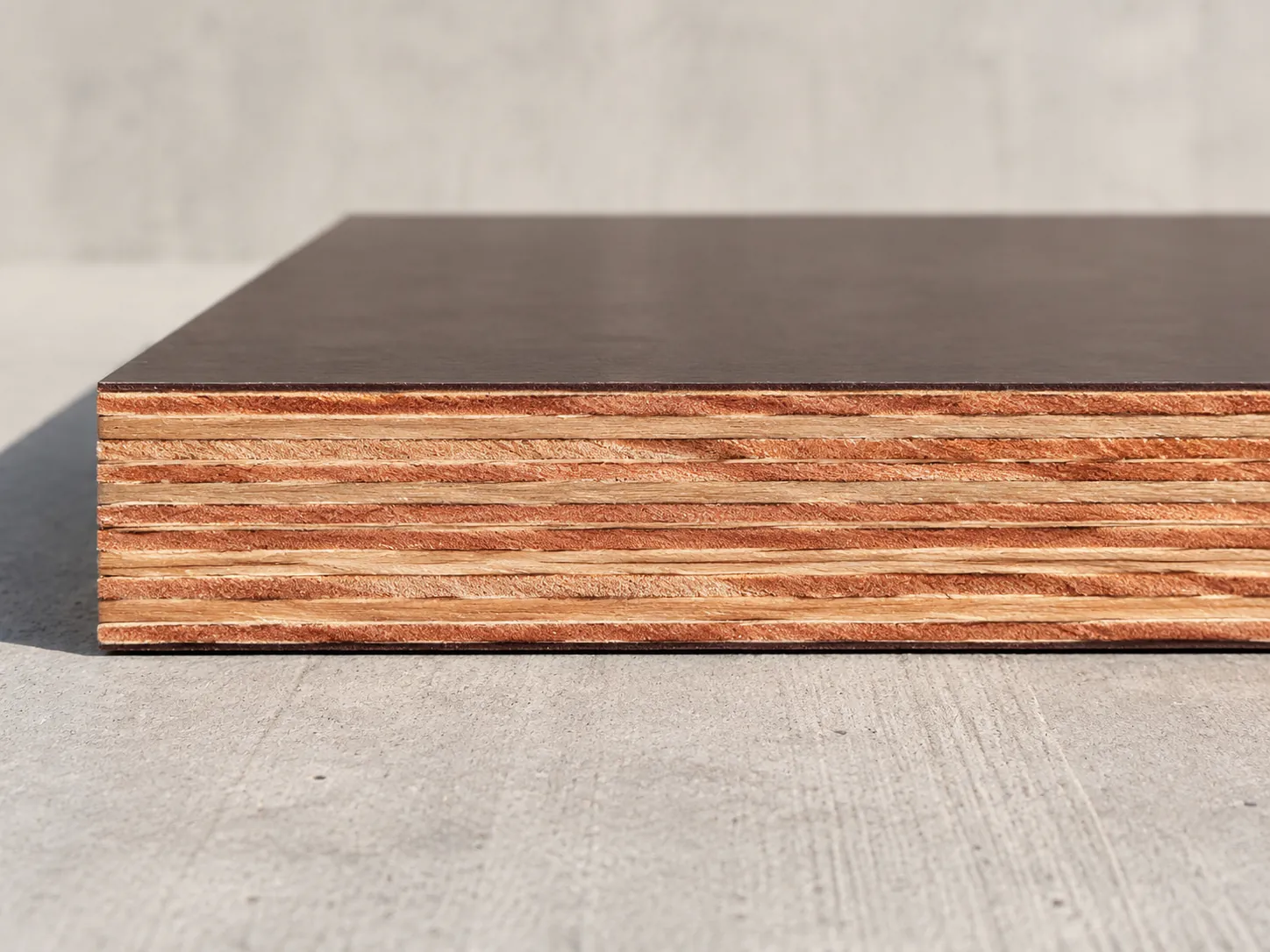
Weight-capped does not mean worse. A denser core is often specified for a stiffer, heavier face, and the cost per pour can be lower even when the freight per cubic metre is higher. The trade-off is set out in our note on cost per pour. For freight, it means two things: compare offers per cubic metre loaded, not per container, and ask any supplier which core the quoted load assumes.
The real density of a Eucalyptus core ranges from 650–750 kg/m³ in measured lots. A heavier lot loads fewer sheets than the planning figure. That is why the final count is set by weighing real sheets before the container is closed. The packing list, not the quote, is the number the freight is finally divided by.
Freight per sheet: what one 12, 15, 18 or 21 mm sheet carries
Freight per sheet is the container freight divided by the number of sheets loaded. Thin sheets carry less freight each because more of them fit; thick sheets carry more. At one rate, freight per cubic metre stays almost flat across thicknesses of one core, while freight per sheet rises with the thickness.
| 1220 × 2440 mm, one 40HC (planning figures) | Acacia core sheets | Freight per sheet at $3,504 | Eucalyptus core sheets | Freight per sheet at $3,504 |
|---|---|---|---|---|
| 12 mm | 1,328 sheets | About $2.64 | 1,200 sheets | About $2.92 |
| 15 mm | 1,056 sheets | About $3.32 | 960 sheets | About $3.65 |
| 18 mm | 880 sheets | About $3.98 | 795 sheets | About $4.41 |
| 21 mm | 752 sheets | About $4.66 | 675 sheets | About $5.19 |
The $3,504 is the Drewry Shanghai to Rotterdam index rate of 12 November 2026, used here only to show the method. Put your own all-in quote in its place: the sheet counts stay, the freight per sheet scales with the rate.
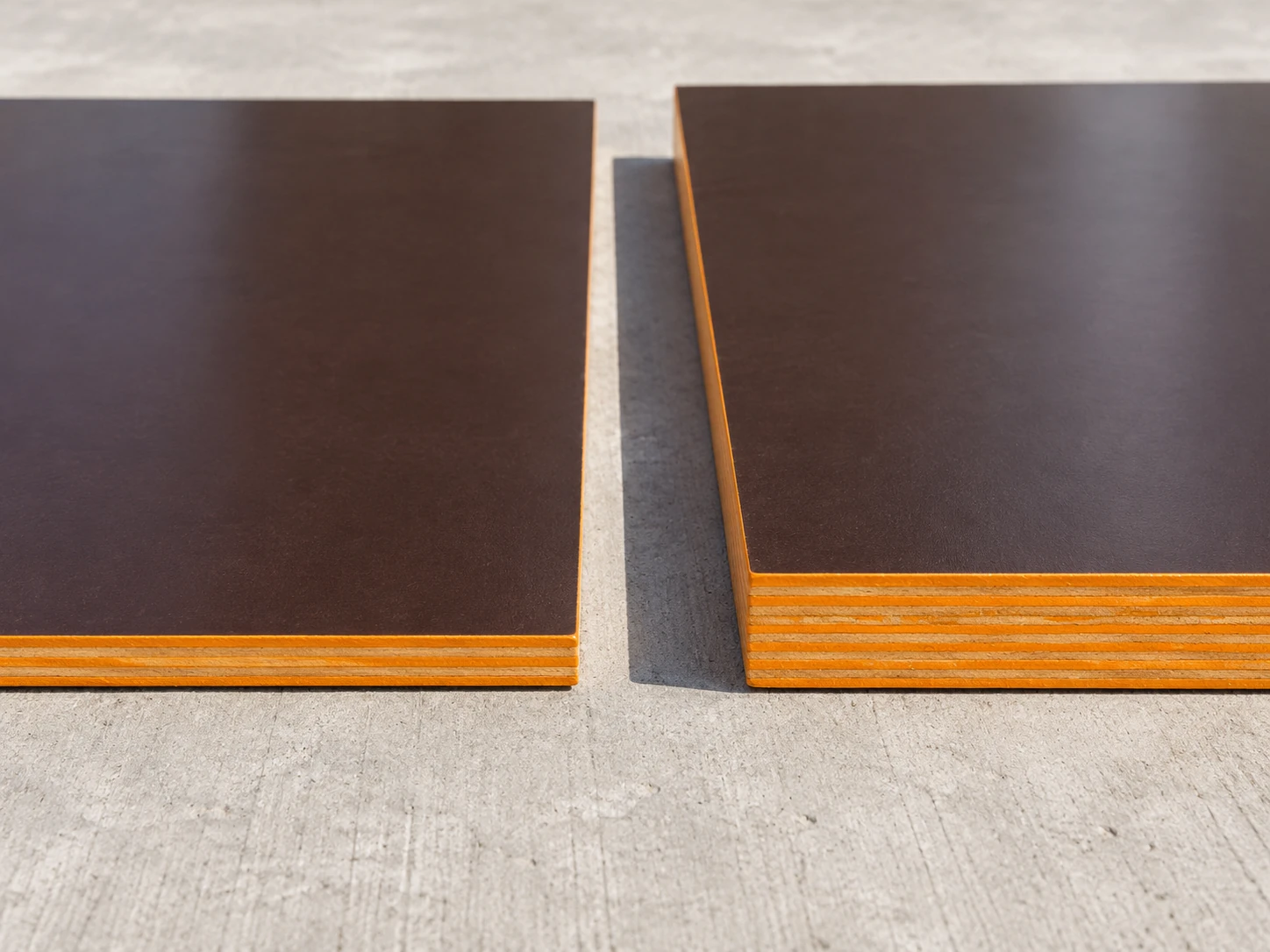
A per-sheet freight figure is useful when you resell by the sheet or compare with a local merchant’s shelf price. It is the wrong basis for comparing two mills’ offers, because their loads may assume different cores, thicknesses or pack heights. Compare offers per cubic metre loaded, then convert to sheets for your own price list.
Is a 20GP or a 40HC cheaper for plywood?
A 40HC is almost always cheaper per cubic metre of plywood than a 20GP, because the 20GP carries a much smaller load while its freight rate is rarely half the 40ft rate. Plywood is dense, so a 20GP of film-faced panels also reaches its weight limit before its floor is full.
The test is simple: ask your forwarder for both rates on the same sailing, all surcharges included, and divide each by the volume it carries. Unless the 20GP rate is well under half the 40HC rate, the larger box wins per cubic metre. Fixed charges per box, such as documentation, seal and terminal handling, also fall twice as often on two small boxes as on one large one.
Our minimum order is one 40HC. Our packs, pallet bearers and load plans are built around it, and our planning figures are for the 40HC only. A 20GP or 40GP needs its own pallet and payload plan, made per order. Need less than a full 40HC of one build? Mixing builds in one 40HC usually beats a smaller box on freight cost.
What surcharges are added on top of the base ocean freight rate?
On top of the base ocean rate a plywood container usually carries a bunker or fuel surcharge (BAF) and terminal handling charges at both ports (THC). A peak-season surcharge applies when space is tight. Documentation, seal and booking fees follow, and EU lanes add an emissions surcharge. Each moves on its own schedule.
| Quote line | What it pays for | How often it moves |
|---|---|---|
| Base ocean freight | The sea leg, port to port | Set by the line per sailing or per contract |
| BAF (bunker adjustment factor) | Fuel cost on the voyage | Usually reset monthly or quarterly by the line |
| Origin THC | Handling the box at the loading terminal | Per port tariff |
| Destination THC | Handling the box at the discharge terminal | Per port tariff |
| PSS (peak season surcharge) | Space in a busy season | Announced at short notice |
| EU ETS surcharge | Carbon allowances on EU voyages | Set by each line, EU lanes only |
| Documentation, seal, VGM fees | Bill of lading, seal, weight declaration | Fixed per box or per bill |
| Detention and demurrage | Keeping the box or leaving it at the terminal too long | Only after free time ends |
The emissions line has a public basis. Since January 2024 the EU Emissions Trading System has covered CO2 emissions from all large ships of 5 000 gross tonnage and above entering EU ports, and it covers 50% of emissions from voyages starting or ending outside of the EU. The Commission’s phase-in has companies surrender allowances for 70% of their 2025 emissions in 2026, so the line on an Asia–Europe quote has grown over the period. A Hai Phong to Northern Europe quote should show it as its own line.
The charges that hurt most are the ones that arrive after the ship does. Detention is charged for extended use of intermodal equipment and demurrage accrues when a container exceeds free time on a marine terminal. Neither is in the freight quote. Both are avoided by having papers, payment and the truck ready before the box lands. That is why the drafts of our shipping documents reach you after loading, well before arrival.
How do I read a freight quote for a plywood container?
Read a freight quote line by line: the base rate, each surcharge, the ports and terms it covers, the container type, the sailing or validity dates and the free time at destination. Then add the lines into one all-in figure per container and divide it by the cubic metres your packing list will show.
- Ports and term. “Hai Phong to Rotterdam, CY/CY” is port to port. A door delivery or inland point adds a trucking or rail leg.
- Container. 40HC, not 40GP: the high cube is the box our packs are planned for.
- Base rate and every surcharge. BAF, THC at each end, PSS, emissions, documentation. A low base with many surcharges can cost more than a higher all-in rate.
- Validity. The dates the rate holds, and whether it is tied to a sailing. A rate for a vessel that leaves before your panels are pressed is no use.
- Transit and routing. Direct or transhipped, and the hub. Transhipment can add days and a handling step.
- Free time. Days of detention and demurrage free time at destination, the figure that decides whether a slow customs check costs you money.
- Weight. The cargo weight the line accepts on your route. A Eucalyptus-core load near the planning payload needs that limit in writing.
Once those seven lines are clear, two quotes can be compared on one number. Our quotation for the panels follows the same rule: the build, the planning load and the term are written out, so freight and panel price add up without guessing. The panel side of the offer is in our note on FOB Hai Phong prices by build.
What moves the rate: lane, season and the week you book
The rate moves with the lane, the season and the balance of ships and cargo in the week you book. Long lanes cost more than short ones. Rates on one trade can move by hundreds of dollars a box between assessments. The busy months before major holidays bring peak-season surcharges and tighter space.
Lane is the largest factor. On the Drewry index of 12 November 2026 a 40ft box to New York cost more than twice a box to Rotterdam. The same 18 mm sheet carried roughly two and a half times the freight. Within one region, ports on the main loops price lower than ports that need a feeder.
Season is the second. Space from Asia tightens ahead of the European and North American peak and before the Lunar New Year holiday, when factories and lines across the region slow down. Peak-season surcharges and rolled bookings are most likely then, so a container planned for those weeks is booked earlier.
The third factor is timing against production. Our production takes 15–45 days after the 30% deposit, depending on quantity and conditions. A freight rate booked before the production date is fixed can lapse before the panels are ready; a rate booked after it can be tied to a real sailing. Under CFR and CIF we book once the loading date is set.
How many days at sea from Hai Phong to Northern Europe?
From Hai Phong to Northern Europe ports such as Rotterdam, Antwerp, Hamburg and Gdansk a container typically spends 30–40 days at sea, varying by carrier and route. The Mediterranean takes 25–35 days and the US East Coast 35–45 days; add the days from our loading to the vessel’s departure.
| From Hai Phong to | Typical days at sea | Example ports |
|---|---|---|
| South-East Asia | 5–12 days | Regional hubs |
| Middle East | 15–25 days | Gulf ports |
| US West Coast | 20–30 days | Los Angeles, Long Beach, Oakland |
| Mediterranean | 25–35 days | Genoa, Valencia, Piraeus, Limassol |
| Northern Europe | 30–40 days | Rotterdam, Antwerp, Hamburg, Gdansk, Aarhus |
| US East Coast | 35–45 days | New York, Savannah |
| West Africa | 35–50 days | Regional ports |
The days are typical figures and vary by carrier and route. A transhipment port adds handling time, and a Baltic or Scandinavian port such as Gdansk or Aarhus is often reached through a North Sea hub. A Black Sea port such as Varna is reached through the Mediterranean, so its days start from the Mediterranean range and add the extra leg. Canada is quoted by coast: Vancouver on the transpacific, Montreal or Halifax on longer routes, with days from the line.
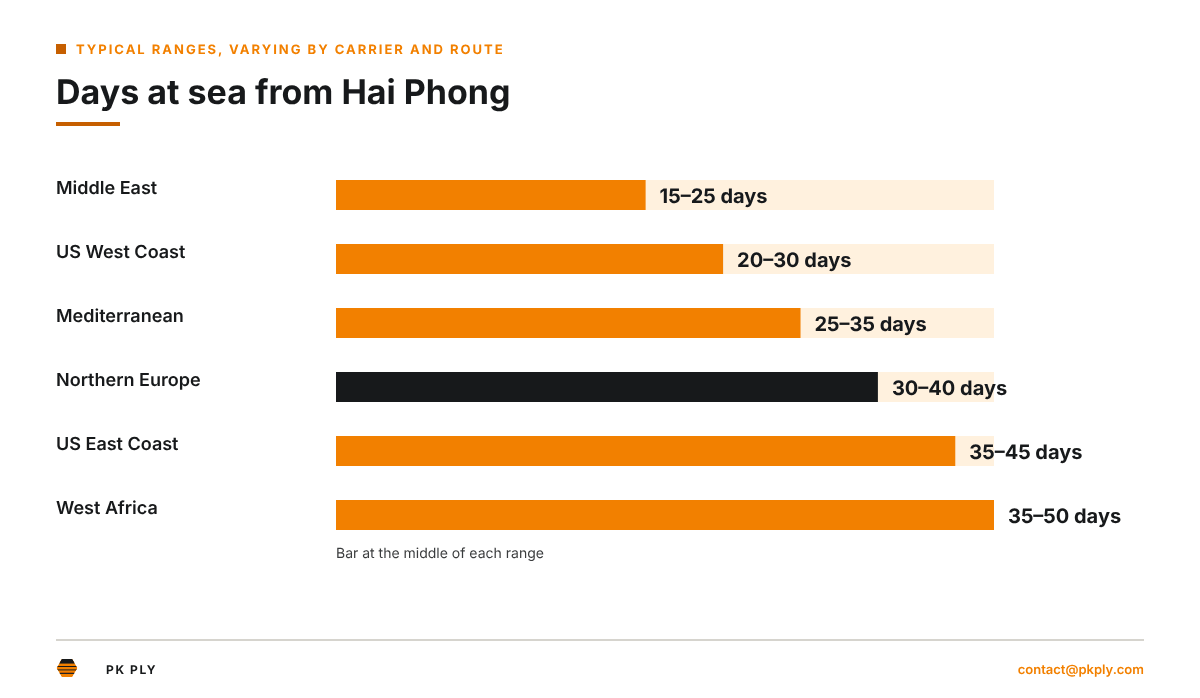
Days at sea matter to cost in three ways. A longer lane usually has a higher rate. Your money is tied up longer between the balance payment and the panels’ arrival. And a short lane can bring the box to port before couriered originals do, which turns free time into storage cost. The papers that must travel with each lane are in our note on documents with each container.
Who books the freight under FOB, CFR and CIF?
Under FOB Hai Phong the buyer’s forwarder books and pays the sea freight, and we deliver the container on board at Hai Phong. Under CFR we book and pay the freight to your port; under CIF we also arrange the cargo insurance. Import clearance, duty and delivery stay with the buyer under all three.
ICC Incoterms rules help to avoid costly misunderstandings by clarifying the tasks, costs and risks involved in the delivery of goods from sellers to buyers. For freight, the question each term answers is who holds the booking:
| Freight task | FOB Hai Phong | CFR your port | CIF your port |
|---|---|---|---|
| Choose the line and sailing | Your forwarder | We do, with your preferences | We do, with your preferences |
| Pay the ocean freight and surcharges | You | We, inside our price | We, inside our price |
| Origin terminal handling at Hai Phong | Per your forwarder’s terms | We | We |
| Destination THC, detention, demurrage | You | You | You |
| Cargo insurance for the sea leg | You | You | We |
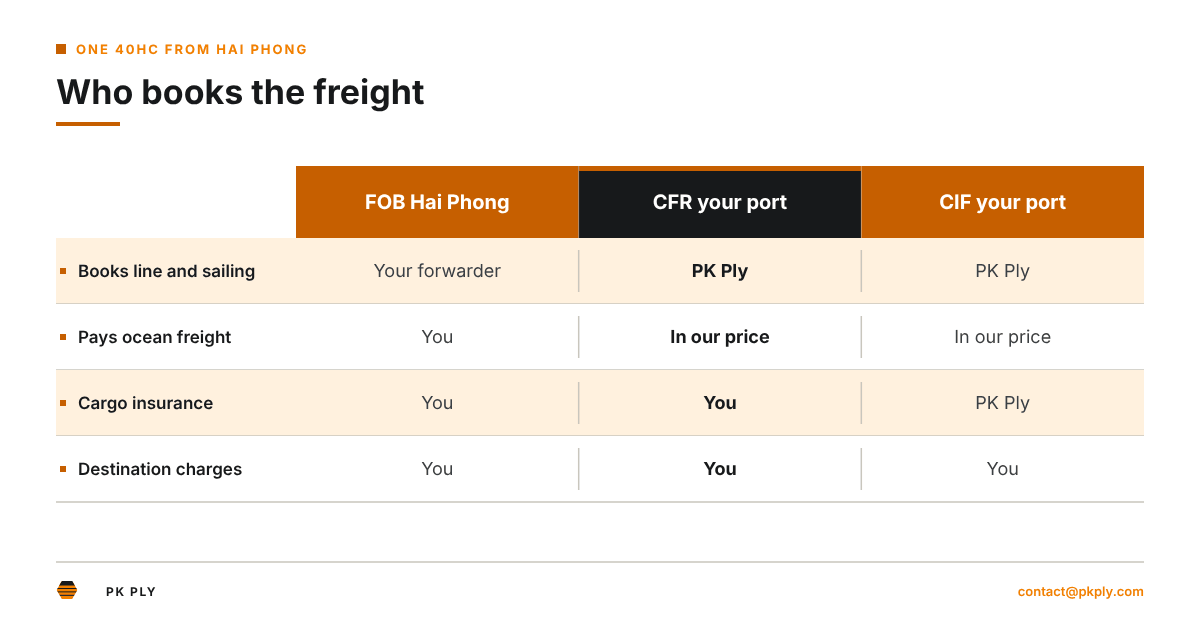
FOB suits a buyer whose forwarder already buys space from Asia in volume. That buyer often gets a better rate than one booked per container. CFR or CIF suits a buyer who wants one landed-at-port figure per cubic metre, or who ships only a few containers a year. Neither is cheaper by nature: compare the CFR figure with the FOB price plus your own all-in freight on the same sailing week.
Can I put several products in one container to share the freight?
Yes. A container from our mills usually carries one or two products, and three to six can be mixed by agreement, so one freight bill covers all of them. Mixing thicknesses or film-faced and anti-slip panels in one 40HC spreads the box rate over the whole load instead of waiting to fill a container of each.
Mixing changes the load. Each build has its own pack height and weight per sheet, so a mixed 40HC is planned pack by pack. Heavy Eucalyptus-core packs and light Acacia-core packs balance the payload. Thin and thick sheets fill the height. The planning starts from your quantities per build and ends in a packing list that shows the cubic metres and weight of each line.
Freight per cubic metre on a mixed box sits between the figures for its builds. Freight per sheet has to be split by volume, not by count. A 21 mm sheet takes the space of almost two 12 mm sheets and should carry its share of the freight. Split it per cubic metre loaded, then convert each line to sheets.
Does plywood need ISPM 15 treatment?
No. Plywood is processed wood and falls outside ISPM 15, so the film-faced panels themselves need no ISPM 15 treatment or mark. Solid-wood pallets, battens and dunnage shipped with the panels do fall under ISPM 15 and must be treated and marked, which matters to the freight bill.
The standard’s own description draws that line: ISPM 15 covers wood packaging material made from raw wood, including dunnage, and excludes wood packaging processed so that it is free from pests, for example plywood. In cost terms, packs on processed-wood bearers need no treatment certificate, while solid-wood skids or battens add a treatment and its paper. Either way, the packaging is weight inside the payload, so heavy solid bearers take a little of the volume a Eucalyptus-core load can carry.
Where freight sits in your landed cost
Freight is one line of the landed cost: FOB price, sea freight and insurance, destination port charges, customs clearance, import duty where it applies, import VAT or sales tax, and delivery. Freight per cubic metre is usually small next to the panel price, but it is the line that moves fastest from one week to the next.
Duty and VAT depend on your country, the tariff line and any trade agreement. They are charged on a value that often includes the freight, so a higher freight raises them too. Our note on the landed cost of formwork plywood works one container through to your door with duty and VAT. Payment timing against the bill of lading, which decides when freight and panels are paid, is in our note on payment terms for formwork plywood.
For a formwork buyer the final test is freight per pour, not freight per sheet. A phenolic-glue film-faced panel gives up to about 25 pours and a melamine (MUF) glue panel about 12–15, with proper handling, release agent and edge sealing. The same $4 of freight on a sheet that serves 25 pours costs much less per pour than on a budget sheet that gives about 4–10.
Asking for a freight figure with your order
Ask for freight with the order in one of two ways: an FOB Hai Phong offer plus your forwarder’s all-in rate for a 40HC, or a CFR or CIF offer from us to your port. In both cases send the build, the quantity and the port, so the freight is divided by the real load.
| Line to send | Example |
|---|---|
| Build | 18 mm film-faced, Acacia core, phenolic glue, 130–135 g/m² dark brown film, painted edges |
| Size and quantity | 1220 × 2440 mm, one 40HC (about 880 sheets, planning figure) |
| Mix, if any | Second line: 12 mm, same build |
| Term and port | CIF Rotterdam, or FOB Hai Phong with your forwarder named |
| Timing | Loading month you need, so the freight can be tied to a sailing |
| Packing | Processed-wood bearers, or solid-wood with ISPM 15 marks |
Our two mills in Chi Linh, Hai Phong load up to 150 containers a month, all through Hai Phong, and the minimum is one 40HC. The certificate files that travel with a lot are listed on our certification page. The full buying route is in our guide to importing construction plywood from Vietnam, and the panel options are on the film-faced plywood page. Send your lines through the specification form or to [email protected]. The offer comes back with the planning load written out, ready for your freight to be divided by it.
Questions buyers ask us
How much does it cost to ship a 40ft container of plywood from Vietnam to Europe?
It is the carrier's rate for that week and lane plus surcharges, so take a dated quote rather than a remembered figure. As a market reference, Drewry's World Container Index of 12 November 2026 put Shanghai to Rotterdam at $3,504 and Shanghai to Genoa at $4,168 per 40ft container; a Hai Phong quote for your port is priced separately.
What is the plywood shipping cost per CBM from Vietnam?
Divide the all-in container freight by the cubic metres you load. At $3,504 per 40ft, that is about $74 per m³ for 47.2 m³ of 18 mm Acacia-core panels and about $82 per m³ for 42.6 m³ of Eucalyptus-core panels.
How many 18 mm film-faced sheets fit in a 40HC?
As a planning figure, 880 sheets of 1220 × 2440 mm with an Acacia core (16 packs of 55) or 795 sheets with a Eucalyptus core (15 packs of 53). Weigh real sheets before final loading.
Is it cheaper to ship plywood in a 20ft container?
Usually not per cubic metre: a 20ft box carries a smaller load but its rate is rarely half the 40ft rate. Our minimum order is one 40HC, which is also the unit our packs are planned for.
How long does shipping take from Hai Phong to Rotterdam?
Typically 30–40 days at sea to Northern Europe, including Rotterdam, Antwerp, Hamburg and Gdansk, varying by carrier and route. Add the days from the production date to the vessel's cut-off.
What surcharges are added to plywood sea freight?
Common lines are the bunker or fuel surcharge (BAF), terminal handling at both ends (THC), a peak-season surcharge when space is short, documentation and seal fees, and on EU lanes an emissions surcharge. Ask for every line in writing and for the validity date of each.
Who pays the freight under FOB Hai Phong?
The buyer does. Under FOB we deliver the container on board at Hai Phong and your forwarder books and pays the sea leg; under CFR and CIF we book it and the freight is in our price.
Does the core species change the freight per cubic metre?
Yes. A denser Eucalyptus core reaches the planning payload with about 43 m³ in the box, while an Acacia core fills the packs at about 47 m³, so the same freight is spread over fewer cubic metres of Eucalyptus.
Can I mix plywood thicknesses in one container to share the freight?
Yes. A container usually carries one or two products, and three to six can be mixed by agreement, so one freight bill covers all of them.
Do I need ISPM 15 certificates for a plywood container?
Not for the plywood, which is processed wood. Solid-wood pallets, battens or dunnage shipped with it must be treated and marked under ISPM 15.
Why does a freight quote expire so quickly?
Carriers reset rates and surcharges often, sometimes every week or every fortnight. A quote is only good for the sailing dates it names, so book once the production date is fixed.