
The formaldehyde class
That is the SGS chamber test on a 21 mm specimen: not detected at 0.04 mg/m³, an E1 pass.
PPWR · Regulation (EU) 2025/40 · SGS packaging test
PK Ply holds an SGS packaging test for PPWR on the packing materials of its export packs, made at our two mills in Chi Linh, Hai Phong. It covers the packaging materials tested, not the plywood panel. PPWR applies from 12 August 2026 and limits lead, cadmium, mercury and hexavalent chromium in packaging to 100 mg/kg in total.
Film
Short answer
We hold an SGS packaging test for PPWR. It covers the packaging materials SGS tested, those used to pack and protect our panels for export. It addresses the heavy-metal limit in Article 5(4) of Regulation (EU) 2025/40: the sum of lead, cadmium, mercury and hexavalent chromium in packaging may not exceed 100 mg/kg. We send the report with the quotation.
The test does not cover the plywood panel and it does not cover every obligation in the regulation. Plywood sold as a product is not packaging. The panel has its own papers: CE for structural use, a formaldehyde test and, for an EU file, the EUDR dossier. PPWR concerns what surrounds the panel on its way to you.
PPWR applies from 12 August 2026 across the EU. The importer places packaging on the market, so it checks that the manufacturer has done the conformity assessment, drawn up the technical documentation and, where required, the EU declaration of conformity. Our job is to supply test data and documents it can use.
Solid-wood pallets, battens and dunnage that travel with the plywood are a separate matter. They fall under ISPM 15 for phytosanitary treatment, while plywood itself is outside ISPM 15.
The report
The SGS report on our packing materials goes out by email with the quotation and sits in your technical file next to the panel documents. It names the materials SGS tested and the method used for the heavy-metal limit.
Read two things on it: the list of materials tested against the layers of the pack you are buying, and the laboratory that issued it.
SGS, the same laboratory group as our panel tests.
The packaging materials tested, not the panel.
What is measured
PPWR sets a limit on four metals in packaging. The table sets each one against the packaging layers of an export pack, so a buyer reads the test against the right objects.
| Item | What PPWR says | How it is used in our packs |
|---|---|---|
| Lead | Part of the sum limit of 100 mg/kg for lead, cadmium, mercury and hexavalent chromium | Checked in the packaging materials tested |
| Cadmium | Part of the same sum limit | Checked in the packaging materials tested |
| Mercury | Part of the same sum limit | Checked in the packaging materials tested |
| Hexavalent chromium | Part of the same sum limit | Checked in the packaging materials tested |
| The sum | The sum of the concentrations resulting from substances present in packaging or packaging components shall not exceed 100 mg/kg | The report states the result against this limit for the materials tested |
| The plywood panel | Not packaging, so not subject to Article 5(4) | Covered by its own documents |
| Formaldehyde | Not part of the Article 5(4) limit; REACH entry 77 governs wood-based articles | Panel emission test |
The limit applies without prejudice to REACH Annex XVII and to food-contact rules.
A test of packaging materials is not a test of the panel.

The rules
Checked 12 November 2026 against Regulation (EU) 2025/40 and the Commission's packaging waste page. Dates are those of the regulation.
| Topic | What the rule says | Who does it |
|---|---|---|
| Application | The regulation applies from 12 August 2026; Article 67(5) applies from 12 February 2029 | All economic operators |
| Packaging definition | An item, irrespective of the materials, used by an economic operator for the containment, protection, handling, delivery or presentation of goods | Whoever packs |
| Transport packaging | Packaging that facilitates handling and transport of sales units and prevents damage; it excludes road, rail, ship and air containers | Whoever packs |
| Wood packaging | Annex I lists wood as a packaging material, with pallets, boxes and crates as examples | Packaging manufacturer |
| Substances | The sum of lead, cadmium, mercury and hexavalent chromium shall not exceed 100 mg/kg (Article 5(4)) | Packaging manufacturer |
| Conformity | Conformity assessment under Article 38; technical documentation per Annex VII | Manufacturer |
| EU declaration | Drawn up when conformity is shown (Article 39) | Manufacturer |
| Importers | Importers check the conformity assessment, the technical documentation, the labelling and the documents before placing on the market (Article 18) | EU importer |
| Re-use targets | From 1 January 2030 operators using transport packaging in the form of pallets, boxes, wrappings or straps within the EU must have at least 40 % of it reusable within a re-use system | EU operators |
| Extended producer responsibility | Producers are responsible under national schemes for packaging they make available | Producer in the Member State |
The rule is about packaging, so a plywood panel and its test papers are outside it, except when plywood is itself used as a pack, such as a crate.

Other papers
A container of plywood crosses the EU border with several rules at once; each asks about a different object.
| Object | Rule or paper | What we supply |
|---|---|---|
| Packaging materials | PPWR heavy-metal limit | SGS packaging test |
| Solid-wood pallets and dunnage | ISPM 15 phytosanitary treatment | ISPM 15 treatment and marking where solid wood is used |
| The plywood panel, origin | EUDR dossier | GeoJSON plot files per lot |
| The plywood panel, structural | CE FPC and DoP | FPC 0407-CPR-2146 for panels 3.6–30 mm |
| The plywood panel, emission | REACH entry 77, 0.062 mg/m³ from 6 August 2026 | SGS chamber result on a 21 mm specimen |
| The wood claim | FSC chain of custody | SGSHK-COC-370674, claim per order |
ISPM 15 excludes wood packaging made from wood processed so that it is free from pests, for example plywood.

Scope
An export pack of our panels has layers. Each layer meets a different rule.
| Pack layer | What it is | Rule that applies |
|---|---|---|
| Base | Wooden pallet or bearers under the pack | PPWR if packaging; ISPM 15 if solid wood |
| Top and wrap | Paper or film over the pack | PPWR heavy-metal limit |
| Edge protection | Boards or corners at the edges | PPWR heavy-metal limit |
| Straps | Bands that hold the pack | PPWR heavy-metal limit |
| Marking | Labels and printed marks | PPWR labelling duties, where they apply |
| Container | The shipping container | Excluded from transport packaging in PPWR |
The SGS report names the materials it tested; match its list to the layers of your pack.
On the pack
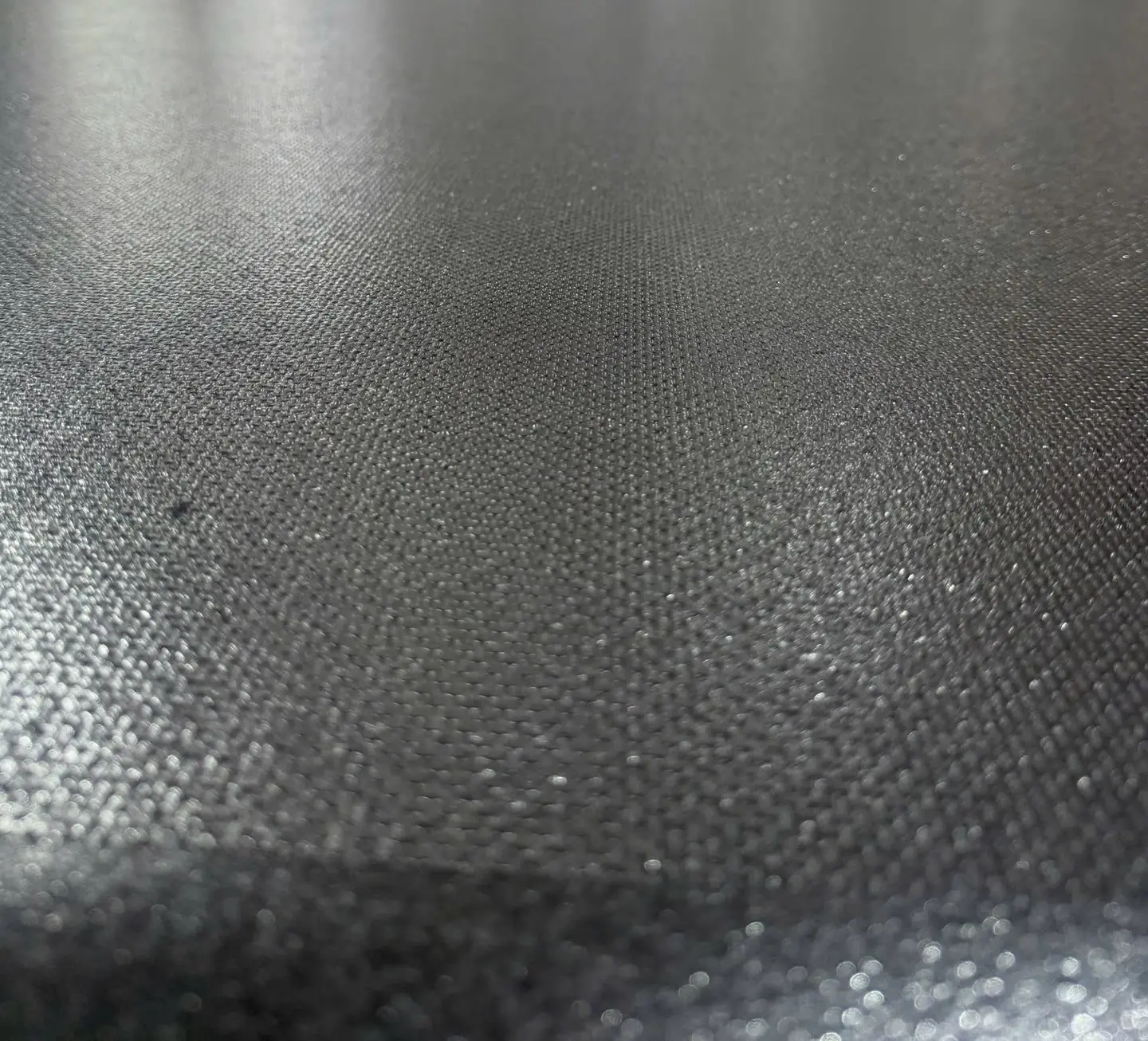
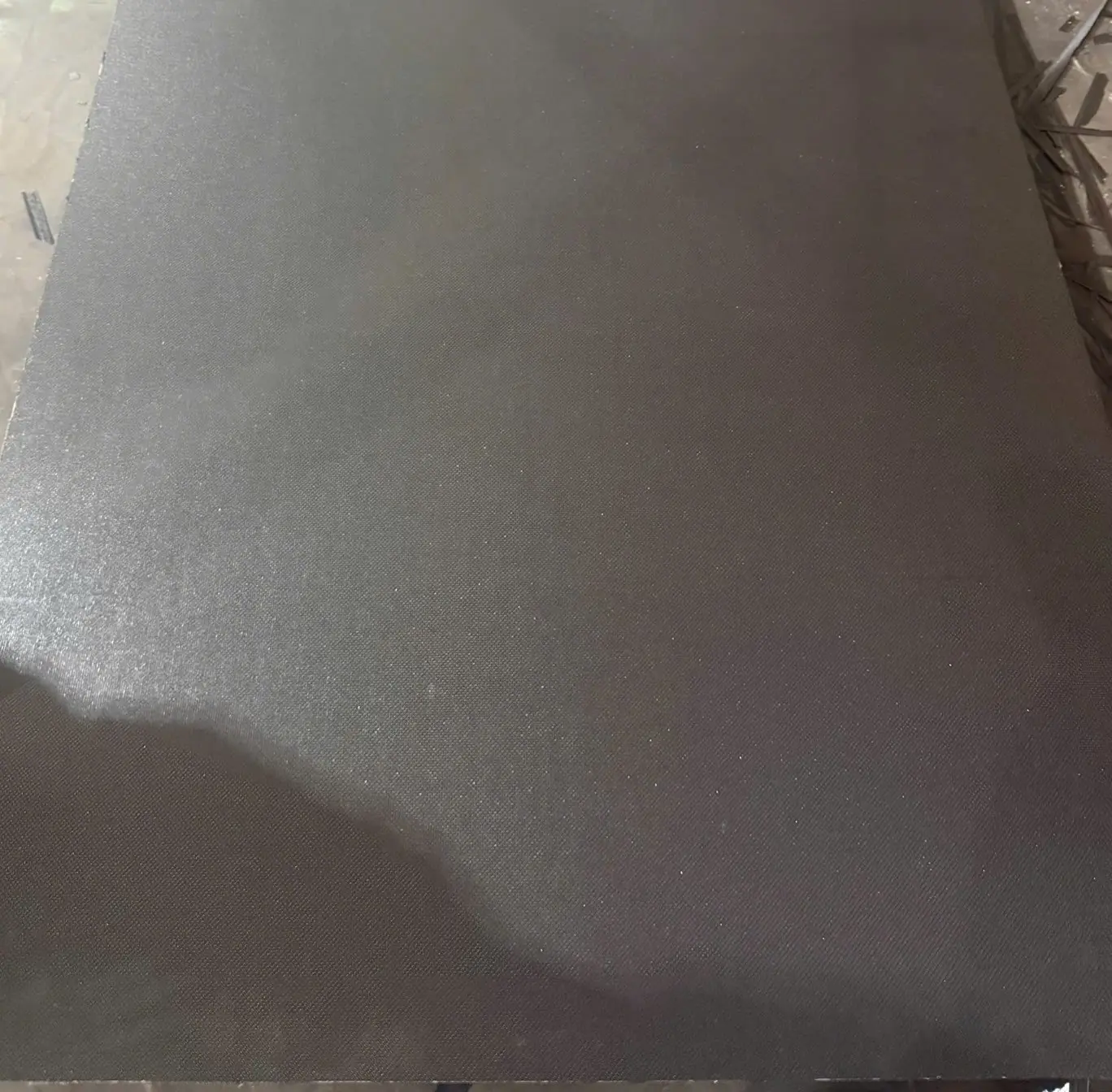
Our panels leave the mills in packs on pallets with a top cover, edge protection and straps, then go into the container. Each layer is a material PPWR can regulate, and each layer is a line on the SGS report.
The pack protects film faces and sealed edges on a long sea voyage, so we keep to packing that does the job and test the materials that do it. When a buyer's order or destination asks for a different layer, we tell you which materials change and whether the test needs repeating.
Dates
PPWR is one of several rules with dates in the next four years. Read from the regulations on 12 November 2026.
| Date | What happens | Source |
|---|---|---|
| 6 August 2026 | Formaldehyde limit of 0.062 mg/m³ for wood-based articles under REACH entry 77 | Regulation (EU) 2023/1464 |
| 12 August 2026 | PPWR applies; the heavy-metal limit in packaging is in force | Regulation (EU) 2025/40, Article 71 |
| 30 December 2026 | EUDR applies to large and medium operators and to micro and small operators already under EUTR | Regulation (EU) 2025/2650 |
| 12 February 2029 | Article 67(5) of PPWR applies | Regulation (EU) 2025/40, Article 71 |
| 1 January 2030 | Re-use targets for transport packaging in the form of pallets, boxes, wrappings and straps | Regulation (EU) 2025/40, Article 29 |
| 1 January 2040 | Operators shall endeavour to reach at least 70 % reusable transport packaging | Regulation (EU) 2025/40, Article 29 |
The first row is formaldehyde in the panel; the rows from PPWR concern the packaging around it.
Roles
PPWR names roles. The roles below are those in the regulation; which one a company holds depends on its place in the supply chain, and an importer should confirm its own position.
| Role | Duty in the regulation | Article |
|---|---|---|
| Manufacturer | Carry out the conformity assessment, draw up the technical documentation, and draw up the EU declaration of conformity when compliance is shown | Articles 15, 38 and 39 |
| Importer | Place on the market only conforming packaging; check the conformity assessment, the technical documentation, the labelling and the documents before doing so | Article 18 |
| Distributor | Make packaging available on the market in the supply chain after the importer | Article 19 |
| Producer | Carry extended producer responsibility for the packaging made available, under national schemes | Article 45 |
| Economic operator using transport packaging | Meet the re-use targets for pallets, boxes, wrappings and straps | Article 29 |
For our packs the SGS report is test data for the technical documentation; it is not the declaration of conformity.
The boundary
The regulation defines packaging as an item, irrespective of the materials it is made from, that an economic operator uses for the containment, protection, handling, delivery or presentation of goods. A plywood panel that is the product you buy is the goods. It is not packaging, and the heavy-metal limit in Article 5(4) does not apply to it.
A plywood crate, box or pallet deck that holds other goods is different: it is wood packaging, and Annex I lists wood with pallets, boxes and crates as examples. We make construction panels and do not make packing plywood, so this boundary matters to us only for the pallets and protection around our own packs.
Not the panel
Keep each document to its question, and the file stays short.
That is the SGS chamber test on a 21 mm specimen: not detected at 0.04 mg/m³, an E1 pass.
That is factory production control certificate 0407-CPR-2146 for panels from 3.6 to 30 mm.
That is the EUDR dossier with GeoJSON plot files, and the FSC claim where ordered.
That is the Class 3 result of the EN 314 tests on the same specimen.
Those are on the technical sheet: 1220 × 2440 mm or 1250 × 2500 mm, with the tolerance of the order.
The container file
A buyer's compliance officer reads the file in this order; each paper answers a single rule.
| Paper | Rule it answers | Object it describes |
|---|---|---|
| SGS packaging report | PPWR, Article 5(4) heavy-metal limit | Packaging materials |
| Pallet marking or treatment record | ISPM 15, for solid wood | Solid-wood pallets and dunnage |
| EUDR dossier | Regulation (EU) 2023/1115 geolocation | Plywood panels |
| FPC 0407-CPR-2146 and DoP | CPR 305/2011 and EN 13986 | Structural panels |
| SGS chamber report | REACH entry 77 and the E1 class | Plywood panels |
| FSC certificate and claim | FSC chain of custody | Plywood panels, by order |
| Packing list and invoice | Customs and the sales contract | The whole shipment |
The packing list is the thread: its lines tie each paper to the packs it describes.
Reading a report
A heavy-metal report is short. Read these lines and you know what it proves.
The laboratory must be named and the title must say packaging; a panel report is not a packaging report.
The materials tested: they must match the layers of the pack you will receive.
The method used to determine lead, cadmium, mercury and hexavalent chromium.
Read each value in mg/kg and add them: the sum is what the limit applies to.
It must be the Article 5(4) sum of 100 mg/kg.
A conclusion on the materials tested, not on the panel or on other PPWR duties.
Preparing the shipment
The steps run from the quotation to the customs file, in the order a buyer's team does them.
Decide who places the packaging on the EU market and holds the technical file.
Request the SGS packaging report with the quotation.
Compare the pack layers with the materials in the report.
Confirm ISPM 15 treatment and marking on any solid-wood pallet or batten.
Add the CE, emission, FSC and EUDR papers the order needs.
Approve the packing specification before production.
Receive the packing list and papers before the ship sails.
Keep the report and the packing specification in the technical file.
The limit
Article 5(4) does not set four separate limits. It sets one limit on the sum of the concentrations of lead, cadmium, mercury and hexavalent chromium resulting from substances present in packaging or packaging components: the total may not exceed 100 mg/kg. A laboratory therefore reports each metal in mg/kg and the reader adds the four values.
The limit is written without prejudice to Annex XVII of the REACH regulation and to the rules on food-contact materials. For a pallet, a wrap or a strap that never touches food, the practical question is only the sum. This is why a packaging test is cheap to repeat and why we repeat it when a packing material changes: a new strap or a new top cover is a new line on the report.
Layer by layer
A pack is not one material. The base carries the weight, the top cover keeps rain and dust off the film faces, the edge protection stops the sealed edges from being crushed and the straps hold the pack together. Each is bought from a different supplier and each can change without notice, so a test that names the materials is more useful than a test that names the pack.
For a buyer this means two checks on arrival. The layers you see should be the layers on the report, and a change in any of them should come with a note from us. If a destination country asks for a different base or a different protection, we say which layer changes and whether the test needs repeating before the order is confirmed.
Common mistakes
Most are about which object the rule is written for.
It applies to packaging. The panel is the goods unless it is itself used as a pack.
The two concern different objects and different limits.
They are separate regulations with separate files.
The definition of transport packaging excludes road, rail, ship and air containers.
ISPM 15 excludes wood processed so that it is free from pests, for example plywood, and covers solid-wood packaging such as pallets and dunnage.
A test describes the materials tested; a changed material is a new line.
PPWR works through conformity assessment, technical documentation and the EU declaration of conformity, with the importer checking them.
Documents
The packaging papers arrive before the order is confirmed, so the importer can prepare its technical file.
With the quotation
The SGS packaging report and a description of the pack layers.
Before the order is confirmed
A statement of the packing materials for your order.
Before production
The packing specification you approve.
With the shipment
Packing list that matches the pack described in the report.
Kept by you
The report for your technical file and your conformity records.
On request
A new SGS packaging test if the packing materials change.
Check it yourself
These steps work on our papers and on anyone else's.
Article 5(4): lead, cadmium, mercury and hexavalent chromium, 100 mg/kg in total.
It must say packaging, with the materials tested listed.
Compare the materials on the report with the layers of the pack you receive.
The report must carry the laboratory name and method.
Solid-wood pallets also need ISPM 15 marking.
A formaldehyde or CE document is not a packaging test.
Red flags
Most problems come from using the wrong paper for the wrong object.
PPWR concerns packaging; a panel emission or CE document does not answer it.
The 100 mg/kg limit is about metals; the 0.062 mg/m³ limit is about formaldehyde in wood-based articles.
If the report lists other materials, it does not describe your pack.
Solid wood travelling with plywood needs its own treatment mark.
Ask for it before the deposit.
Checklist
Send these points with your enquiry and we match the pack to your file.
Who places the packaging on the EU market.
Pallet, top cover, edge protection and straps you need.
Existing SGS report or a new test.
Marks you need on the pack.
EUDR dossier, CE, FSC and emission test.
Containers per order and port of discharge; the minimum is one 40HC, production takes 15–45 days after the 30% deposit, and prices are FOB Hai Phong, CFR or CIF.
The file
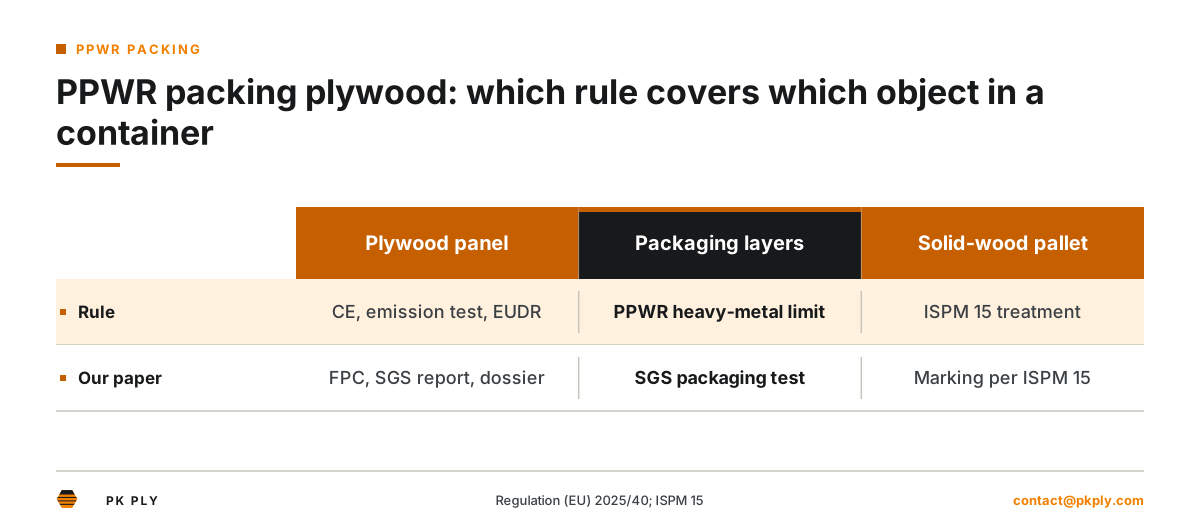
A container carries three kinds of object: the plywood panels, the packaging layers and any solid-wood pallets. Each meets a different rule. The other papers of an EU file sit beside the packaging test, on the pages linked here.
Buyer questions
The packaging materials SGS tested, the materials used to pack and protect our panels for export. The report lists them and states the result against the heavy-metal limit. Read the list of materials first: a pack is only described by the layers that appear on it, so a changed strap or top cover means a new line and, when the order needs it, a new test.
No. It covers the packaging materials tested, not the panel and not every PPWR obligation. The panel has its own CE, emission and EUDR papers, each answering its own rule, and the packing list ties them all to the same shipment.
From 12 August 2026, under Article 71 of the regulation, which also sets 12 February 2029 for Article 67(5). A container loaded now for arrival after that date meets the rule as it stands on the day the packaging is placed on the EU market, so the importer should have the report before the ship sails.
The sum of their concentrations may not exceed 100 mg/kg, under Article 5(4). The sum applies to substances present in packaging or packaging components, without prejudice to REACH Annex XVII, so the report adds the four measured values and compares the total with 100 mg/kg.
Yes. Plywood itself is outside ISPM 15, but solid-wood pallets, battens and dunnage that ship with it fall under it. IPPC describes ISPM 15 as excluding wood packaging made from wood processed so that it is free from pests, for example plywood, so the pallet needs its own treatment mark while the panels do not.
The packing list and invoice, the SGS packaging report, the CE or test papers the order needs, the FSC claim and the EUDR dossier when ordered. The packing list is the thread that ties each paper to the packs it describes, so a compliance officer can check the file in one pass.
Plywood sold as a product is not. A plywood crate or box used to pack goods would be packaging. We make construction panels, not packing plywood, so the question arises for us only for the pallets and protection around our own packs.
The manufacturer does the conformity assessment and technical documentation; the importer checks them before placing on the market (Articles 15 and 18). We supply the test data, which goes into the technical documentation, and the report is evidence for the declaration, not the declaration itself.
From 1 January 2030, EU operators using transport packaging in the form of pallets, boxes, wrappings or straps must have at least 40 % of it reusable within a re-use system. The obligation sits with the economic operator using the packaging in the EU, so the date matters to your logistics team more than to the mill, and we tell you which of our pack layers are reusable.
No. PPWR limits four metals in packaging; REACH entry 77 limits formaldehyde in wood-based articles at 0.062 mg/m³ from 6 August 2026. A buyer needs both papers for an EU file, since they measure different objects with different methods and different units.
Yes. A new SGS test is arranged on request when the packing materials change, and we tell you before the order is confirmed whether a change in your specification, such as a different base, needs one.
The definition of transport packaging in PPWR excludes road, rail, ship and air containers, so the steel box itself is not a line on our report, while everything we load into it is.
Request the packaging report
Send the panel, the importer and the quantity. We reply within hours with the SGS packaging report and an FOB Hai Phong, CFR or CIF price.
Lisa, export sales, sends the SGS packaging report and the pack description for your order: [email protected]